Here’s how to start a blog:
- Choose a blogging platform.
- Register a domain name and hosting.
- Design your blog.
- Add posts and pages.
- Start growing your blog.
So I want you to take the time to thoroughly read this post. It’s about 4000 words long (20 minutes), so get comfy and set aside some time; I’m going to walk you through the entire process of setting up your self-hosted blog, so you ‘get it right the first time’. And if you already have a blog, sign up for my FREE course below for great tips on how to get readers, establish yourself, and even make money!
Don't have the time to dive in right now? No problem!
Enter your email to come back to this post later.
Once your blog is set up, you will also get a FREE bonus blogging course!
Enter your email to come back to this post later.
Once your blog is set up, you will also get a FREE bonus blogging course!
Step 1: Choose the right blogging platform (WordPress)
Before you can even start worrying about how your blog will look like, you’ll need to choose your blogging platform.
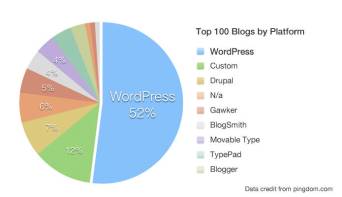
There’s a lot to choose from. You are able to create a blog with many different blogging platforms, such as WordPress, Tumblr, Blogger and more…
However, given that there are over 7 using WordPress today, it’s clear which platform is the boss. Even my own blogs and sites are built with WordPress blogging platform. Here’s why:
- It’s FREE for everyone to use (including themes, layouts and add-ons that many other blogging platforms don’t provide).
- It’s super easy to set up.
- It’s secure; WordPress is always updating their software and keeping everything sound and secure, so there’s rarely a worry of having your blog come under hacking attacks. No wonder Facebook, NASA and even university blogs are
- It’s HIGHLY customizable. There are hundreds of free themes and plugins that add more functionality to your blog, from contact and subscribe boxes to plugins that improve blog performance and more.
Why you shouldn’t create a blog on a free blogging platform
Without a doubt, you need to self-host your WordPress blog.Think about it – what famous, successful blogger you know is using a free blogging website like “startbloggingonline.freeblogs.com” instead of their own domain name like “StartBloggingOnline.com”, for example?
It’s not just that – free blogging platforms have other problems too – including…
- You don’t control your content – the blogging platform does. They could shut you down any time, and for any reason. Don’t believe me? Read this.
- The web address of your blog will be long and hard to remember (like yourfreeblog.blogspot.com) instead of a catchy, branded address you choose.
- You’re not allowed to advertise on most free blogging platforms, making it much harder to ever make money from blogging.
If I were you, I’d start with a self-hosted blog on my own domain from day one. Setting up a blog like this is WAY easier and less expensive than you think.
Finding a domain name and web hosting provider
Now to exciting part! To set up a self-hosted blog on your own domain name, you’ll need two things:Domain name – This will be your personal blog address where people find you over and over again. For example Google’s Domain is www.Google.com. Your new blog domain name will be www.YourBlogName.com, except you’ll choose what’s going to be behind YourNewBlog. The cost of a domain name is usually $10/year, but if you follow this guide all the way, I’ll show you how to get one for much cheaper.
Web hosting – This will be the home of your blog address and content that’s on the blog. Without web hosting, you’ll be unable to use your domain. Think of it as a computer hard drive that stores all your content on your blog (images, blog posts and so on). The cost of web hosting is usually somewhere between $2-5 per month.
It’s less than an XL coffee at Starbucks, so it won’t break the bank. But it’s an important investment to your blog success.
Where should I get my domain name and hosting?
When it comes to hosting, there are only two things that matter.- Page load speed – The average amount of time (in seconds) it takes your blog to load.
- Uptime – 99.9% isn’t enough (it’s 42 minutes of downtime per month). You should be aiming for 100%.
I now only use and recommend for domain names and web hosting.
Why? Nothing has ever come close to HostGator in terms of blog load speed and uptime (see below)


No comments:
Post a Comment